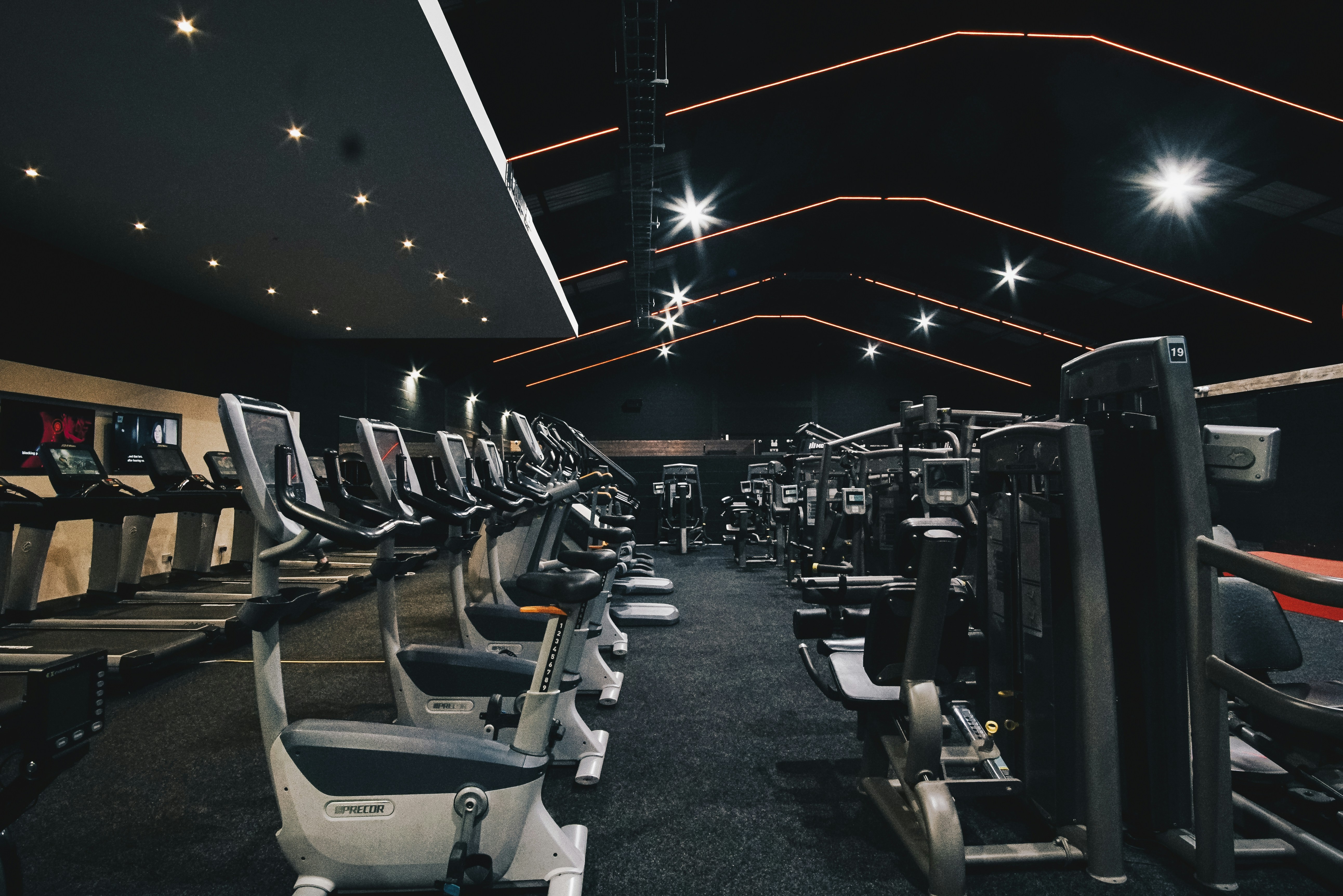
Introduction to Home Gym Equipment
Creating a home gym has become increasingly popular among fitness enthusiasts and casual exercisers alike. The allure of having gym equipment readily available at home cannot be overstated. As people seek more flexible solutions to maintain their fitness routines, building a personal workout space presents numerous advantages. One of the primary benefits of investing in home gym equipment is the convenience it offers. Exercising in the comfort of one’s home eliminates the need to commute to a fitness center, thereby saving valuable time and allowing for spontaneous workout sessions.
Moreover, home gym equipment provides unparalleled flexibility. Individuals can decide when to work out based on their schedules, without being limited by the operating hours of a commercial gym. This flexibility is especially beneficial for those juggling multiple responsibilities, such as work and family. Additionally, having access to gym equipment at home makes it easier for users to develop and adhere to a consistent fitness routine.
Cost-effectiveness is another significant advantage of setting up a home gym. While the initial investment in equipment may seem substantial, it can lead to long-term savings compared to paying for monthly gym memberships. Furthermore, home gym equipment allows for investments in versatile tools that cater to various workout styles, accommodating a range of fitness levels and preferences, from beginners to seasoned athletes. By selecting the right equipment, individuals can design a comprehensive workout routine that meets their personal fitness goals.
Ultimately, home fitness fosters a sense of inclusivity and accessibility. It empowers individuals to engage in physical activity at their own pace and in their preferred environment, making fitness an attainable goal for everyone. Cumulatively, these factors underscore the value of building a home gym, emphasizing it as a smart investment for anyone looking to enhance their fitness journey.
Must-Have Weightlifting Equipment
Weightlifting is essential for building strength, enhancing muscle tone, and improving overall fitness, making it a popular choice for fitness enthusiasts. To effectively engage in weightlifting, certain key equipment can enhance the training experience and yield better results.
Dumbbells are a staple in any home gym. These versatile tools allow for a wide range of exercises, from bicep curls to lunges. Available in various weights, dumbbells are perfect for beginners and advanced lifters alike, promoting balanced muscle development and stabilizing smaller muscle groups. Influential fitness icons such as Arnold Schwarzenegger have showcased the efficacy of dumbbells in sculpting their physiques.
Barbells are another integral component of weightlifting equipment, typically featuring a long bar with weights on either end. They are designed for compound movements like squats, deadlifts, and bench presses, which engage multiple muscle groups simultaneously. The barbell allows for heavier lifts, enabling users to progressively overload their muscles for growth. Fitness experts like Bradley Martyn often highlight the benefits of barbell training in enhancing overall strength and muscle mass.
Kettlebells have gained immense popularity for their unique shape and versatility. These cast-iron weights are excellent for improving cardiovascular endurance and building functional strength. They can be used for a spectrum of exercises, such as swings, snatches, and Turkish get-ups. Many fitness influencers recommend kettlebell training for its ability to engage core muscles while enhancing power and flexibility.
Lastly, an adjustable weight bench is crucial in any weightlifting setup, providing stability and various angles for pressing and support. It allows for proper form during exercises, reducing the risk of injury and enhancing overall effectiveness. Fitness professionals emphasize the importance of a sturdy weight bench, which can be used in conjunction with other equipment for a comprehensive workout routine.
Cardio Machines for an Active Lifestyle
Cardiovascular fitness is crucial for overall health, and incorporating specific cardio machines into your workout regimen can significantly enhance your fitness journey. Among the most popular pieces of gym equipment are treadmills, stationary bikes, and ellipticals, each offering unique benefits and targeting various muscle groups.
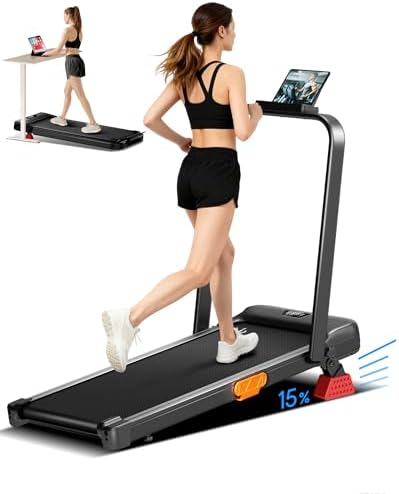
Treadmills provide an excellent platform for running or walking, allowing users to engage in low-impact cardiovascular workouts. They primarily target the leg muscles, including the quadriceps, hamstrings, and calves, while also providing a solid aerobic workout. Many fitness enthusiasts have shared success stories about how regular treadmill use has helped them achieve weight loss goals and improve their endurance levels. For instance, a dedicated runner recounted how transitioning to a treadmill during inclement weather has not only maintained their training regimen but has led to significant improvements in their overall fitness.
Stationary bikes, including spin bikes, offer another fantastic option for cardiovascular workouts. These machines are designed to imitate outdoor cycling, targeting the muscles in the legs and lower body. Stationary biking is often favored for its lower-impact nature, making it suitable for individuals recovering from injuries or those seeking a gentler workout. Several fitness devotees have highlighted their increased stamina and energy levels, attributing their success to daily sessions on a stationary bike, proving it can be an effective way to burn calories while strengthening the lower body.
Ellipticals are yet another valuable piece of cardio machinery. They provide a full-body workout by engaging both the upper and lower body, which enhances calorie burn and muscle tone. Their low-impact design also makes them less stressful on the joints compared to other cardio modalities. Fitness enthusiasts often report feeling more motivated to train on ellipticals due to the versatile workout options available, including varied resistance levels and user-controlled incline features. These machines can effectively complement any cardio routine, catering to different fitness levels and preferences.
Incorporating these cardio machines into your home gym setup can promote an active lifestyle and support various fitness goals, emphasizing the importance of an all-rounded approach to health and wellness.


Additional Accessories for a Comprehensive Workout
To enhance the effectiveness of any home fitness regimen, it’s essential to consider various accessories that can complement the primary equipment. Among these, resistance bands, yoga mats, foam rollers, and fitness trackers have proven invaluable in supporting various workout initiatives.
Resistance bands are particularly notable for their versatility. They come in various resistance levels, catering to both strength training beginners and seasoned athletes. These bands can be used for a multitude of exercises, targeting muscle groups from head to toe. Individuals frequently incorporate resistance bands into their routines to aid in both strength building and flexibility, making them a favorite among personal trainers and home users alike.
Yoga mats serve as another foundational accessory. They provide a non-slip surface that enhances stability during movements and postures. For those engaging in yoga or pilates, investing in a high-quality mat is crucial for preventing injuries and ensuring comfort during practice. Moreover, yoga mats can also be employed in strength training routines, offering cushioning for exercises performed on the floor.
Foam rollers have gained popularity for their ability to assist in muscle recovery through self-myofascial release. These tools help alleviate muscle tightness and soreness, promoting better flexibility and maintaining overall mobility. Users often report improved recovery times and a significant reduction in discomfort after workouts when integrating foam rolling into their post-exercise routines.
Fitness trackers have transformed how fitness enthusiasts monitor their progress and performance. These devices can track various metrics, including heart rate, calories burned, and sleep patterns. By providing real-time feedback, fitness trackers enable users to adjust their routines effectively to meet their health and fitness goals. Many individuals have found that tracking their statistics not only boosts motivation but also leads to greater accountability in their fitness journeys.